Sicel Language

abcdhe 20

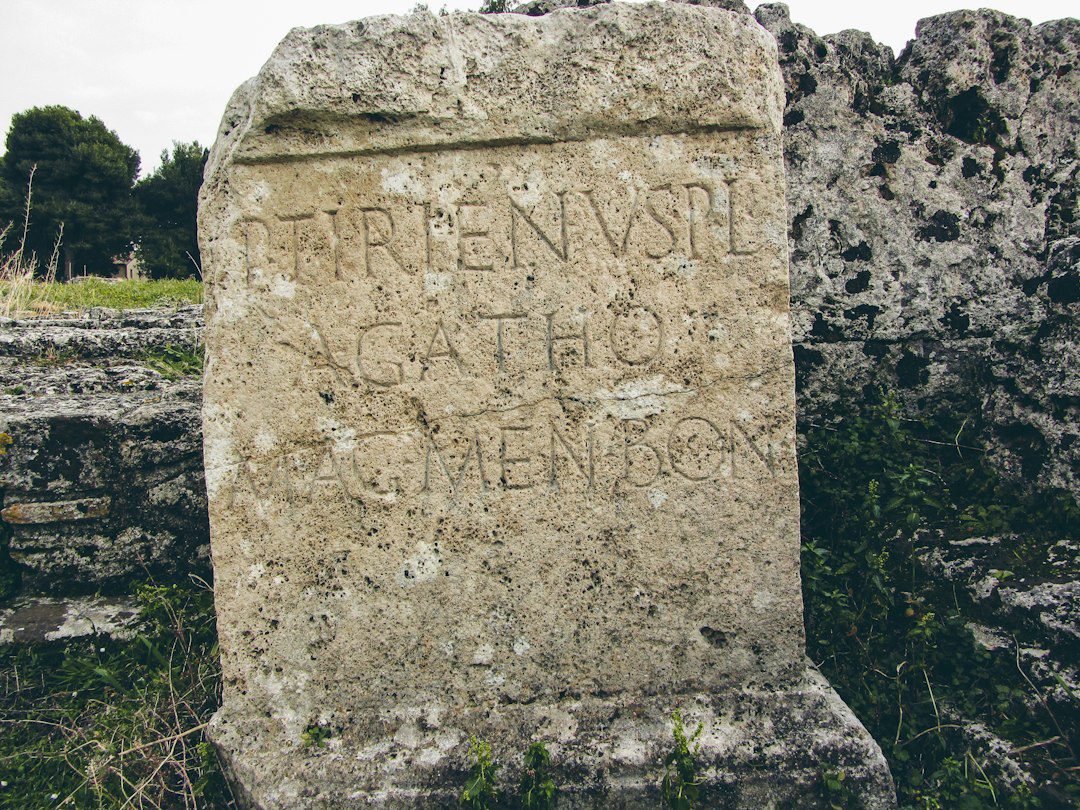
The origins of the Sicel language can be traced back to the migration of Italic-speaking peoples from the Italian mainland to Sicily during the Iron Age. The exact origins of the Sicels themselves are still debated among historians and linguists, but it is generally believed that they were a branch of the ancient Italic people … Read more

Akkadian Language

abcdhe 18

The Akkadian language has its roots in the ancient city of Akkad, located in present-day Iraq. It emerged as a distinct language around 2500 BCE, during the Akkadian Empire, which was the first empire in history. Over time, Akkadian evolved and developed into different dialects, such as Old Akkadian, Middle Akkadian, and Neo-Akkadian. Akkadian was … Read more

Sogdian Language

abcdhe 15

The Sogdian language had its own unique alphabet, known as the Sogdian script, which was derived from the Aramaic script. The script consisted of 17 consonants and 7 vowels and was written from right to left. The Sogdian script was used primarily for writing religious texts, legal documents, and commercial records. In terms of grammar, … Read more

Sorothaptic Language

abcdhe 14

Sorothaptic language has its own unique alphabet and pronunciation system. The alphabet consists of 26 letters, including both consonants and vowels. The pronunciation of these letters can vary depending on their position within a word or sentence. For example, some letters may have different sounds when they appear at the beginning or end of a … Read more

Aequian Language

abcdhe 12

The structure of the Aequian language is similar to other Italic languages, with a subject-verb-object word order. However, it also exhibits some unique features that set it apart from other languages in the region. One notable feature is its use of suffixes to indicate grammatical categories such as tense, number, and case. For example, the … Read more

South Picene Language

abcdhe 10

The origins of the South Picene Language can be traced back to the pre-Roman period in Italy. The Piceni people, who inhabited the Marche region, developed their own distinct language which came to be known as South Picene Language. The language evolved over time through contact with neighboring languages and through historical events that influenced … Read more

Sumerian Language

abcdhe 8

The origins of the Sumerian language are still a subject of debate among linguists. Some theories suggest that it may have originated from an earlier language spoken in the region, while others propose that it developed independently. Regardless of its origins, the Sumerian language flourished during the third millennium BCE and became the dominant language … Read more

Tangut Language

abcdhe 6

The Tangut language has a fascinating historical background. It was primarily spoken by the Tangut people who established the Western Xia Empire in 1038. The empire lasted for nearly two centuries before being conquered by the Mongols in 1227. During its existence, the Western Xia Empire was a major power in Central Asia and had … Read more

Navigating the Tapestry of Cultures: The Best Art of Cultural Sensitivity in Translation

Cultural

Introduction: Translation is more than the mechanical Cultural conversion of words from one language to another; it is a delicate dance across the diverse tapestry of cultures. Within this intricate choreography, cultural sensitivity emerges as a critical element, ensuring that the essence of a message is not lost in linguistic translation. In this exploration, we … Read more

The Fascinating World of Translation: 10 Amazing Facts to Spark Your Curiosity

translation

Introduction: Translation is an intricate and essential aspect of human communication, enabling people from different linguistic backgrounds to connect and share ideas. Beyond its apparent role, translation harbors a wealth of fascinating facts that unveil its complexity and importance in our globalized world. In this exploration, we delve into 10 amazing facts about translation that … Read more