Discovering the Beauty of best Djangun Language: Exploring the Unique Words and Expressions of an Indigenous Tongue

abcdhe 625

Djangun Language is very interesting. The grammar and syntax of the Djangun language are unique and distinct from other languages. One notable feature is its complex system of noun classification, which categorizes nouns into different classes based on their shape, size, and function. This system is used in various aspects of the language, including verb … Read more

Exploring the Fascinating World of best Djawi Language: Uncovering the Origins and Unique Features

abcdhe 623

 Djawi language has a rich history that dates back centuries. It originated from a small community in a remote region and has evolved over time through various influences. The roots of the Djawi language can be traced back to ancient times when the community first settled in the area. As they interacted with neighboring communities and traded with other cultures, the language began to incorporate elements from different languages.

Over the years, the Djawi language has undergone significant changes due to migration, colonization, and globalization. These external influences have shaped the language and contributed to its unique characteristics. Despite these changes, the Djawi language has managed to retain its distinct identity and remains an integral part of the community’s cultural heritage.

Exploring the Fascinating World of best Djawi Language: Uncovering the  Origins and Unique Features | by Linkedinnagarjun | Mar, 2024 | Medium

Understanding the Unique Features of Djawi Language

One of the most intriguing aspects of the Djawi language is its unique features. Unlike many other languages, Djawi has a complex system of tones that are used to convey meaning. These tones can change the entire meaning of a word or phrase, making it essential for learners to master them.

Additionally, Djawi has a rich vocabulary that includes words and phrases specific to the community’s cultural practices and traditions. This vocabulary reflects their close connection to nature and their deep understanding of their environment. For example, there are specific words for different types of plants, animals, and natural phenomena that are not found in other languages.

Djawi Language Vocabulary: Common Words and Phrases

To give you a taste of the Djawi language, here are some common words and phrases:

1. Gembira – Happy
2. Selamat pagi – Good morning
3. Terima kasih – Thank you
4. Sama-sama – You’re welcome
5. Bagaimana kabarmu? – How are you?
6. Saya lapar – I’m hungry
7. Tolong – Please
8. Maaf – Sorry
9. Sampai jumpa – Goodbye
10. Apa kabar? – How are you?

These words and phrases are just a glimpse into the rich vocabulary of the Djawi language. Learning these basic words and phrases can be a great starting point for anyone interested in exploring the language further.

Djawi Language Grammar: Structure and Rules


Word/PhraseTranslationPart of SpeechUsage
HelloMboteInterjectionGreeting
GoodbyeTalaInterjectionFarewell
Thank youMbote mingiPhraseExpressing gratitude
YesEeInterjectionAffirmative response
NoTeeInterjectionNegative response
How are you?Mboté na yo?PhraseAsking about someone’s well-being
I’m fineNazali malamuPhraseResponding to “How are you?”
What is your name?Mingi na yo nani?PhraseAsking for someone’s name
My name is…Nalingi na…PhraseIntroducing oneself
Excuse meMbote mingiPhraseApologizing or getting someone’s attention

The grammar of the Djawi language follows a specific structure and set of rules. Understanding these rules is crucial for mastering the language.

One notable feature of Djawi grammar is its word order. Unlike English, which follows a subject-verb-object (SVO) word order, Djawi follows a subject-object-verb (SOV) word order. This means that the subject comes first, followed by the object, and finally the verb.

Another important aspect of Djawi grammar is its use of affixes to indicate tense, aspect, mood, and other grammatical features. These affixes can be added to verbs, nouns, adjectives, and other parts of speech to modify their meaning.

Djawi Language Pronunciation: Tips and Tricks

Pronouncing Djawi correctly can be challenging for non-native speakers due to its unique sounds and tones. Here are some tips and tricks to help you improve your pronunciation:

1. Pay attention to tones: As mentioned earlier, tones play a crucial role in Djawi language. Make sure to practice the correct tone for each word to convey the intended meaning accurately.

2. Listen to native speakers: Listening to native speakers is one of the best ways to improve your pronunciation. Pay attention to their intonation, stress, and rhythm.

3. Practice speaking aloud: Regular practice is key to improving your pronunciation. Try speaking aloud and record yourself to identify areas for improvement.

4. Seek feedback: Ask native speakers or language tutors for feedback on your pronunciation. They can provide valuable insights and help you correct any mistakes.

The Importance of Djawi Language in Cultural Context

 Djawi language

The Djawi language holds immense cultural significance for the community that speaks it. It serves as a means of communication, preserving their cultural heritage, and passing down traditional knowledge from one generation to the next.

The Djawi language is deeply intertwined with the community’s customs, rituals, and way of life. It is used in storytelling, songs, and ceremonies, allowing the community to express their identity and maintain a strong connection with their ancestors.

Furthermore, the Djawi language plays a vital role in fostering a sense of belonging and unity within the community. Speaking the language helps individuals feel connected to their roots and strengthens their cultural identity.

Djawi Language and Linguistic Diversity: A Comparative Study

Comparing the Djawi language with other languages can provide valuable insights into its unique features and characteristics. While there are similarities between Djawi and other languages in the region, there are also significant differences that set it apart.

One notable similarity between Djawi and other languages in the region is their use of tones. Many languages in Southeast Asia, such as Thai and Vietnamese, also have tonal systems that are used to convey meaning.

However, Djawi differs from these languages in terms of its vocabulary and grammar structure. The vocabulary of Djawi is distinct and reflects the community’s close relationship with nature. Additionally, the grammar structure of Djawi, with its SOV word order and use of affixes, sets it apart from other languages in the region.

Learning Djawi Language: Resources and Tools

If you are interested in learning the Djawi language, there are several resources and tools available to help you get started. Here are some recommendations:

1. Language courses: Look for language courses or classes that specifically teach Djawi. These courses often provide comprehensive lessons on vocabulary, grammar, and pronunciation.

2. Language exchange programs: Join language exchange programs where you can connect with native Djawi speakers who are interested in learning your language. This can be a great opportunity to practice speaking and improve your language skills.

3. Online resources: There are various online resources, such as websites, apps, and videos, that offer lessons and tutorials on Djawi language. These resources can be accessed anytime and anywhere, making it convenient for self-study.

4. Language tutors: Consider hiring a language tutor who is a native speaker of Djawi. A tutor can provide personalized lessons and guidance tailored to your specific needs.

Jawi dialect - Wikipedia

The Future of Djawi Language: Preservation and Revitalization Efforts

Preserving and revitalizing the Djawi language is crucial for its future survival. Efforts are being made by the community and various organizations to ensure the language continues to thrive.

One such effort is the establishment of language schools and cultural centers that focus on teaching Djawi language and promoting cultural heritage. These institutions play a vital role in passing down the language to younger generations and creating a sense of pride in their cultural identity.

Additionally, there are ongoing documentation projects aimed at recording and preserving the unique vocabulary, grammar, and pronunciation of the Djawi language. These projects ensure that future generations have access to resources that can help them learn and understand the language.
In conclusion, the Djawi language is a fascinating and significant language that holds great cultural value. Its unique features, vocabulary, grammar, and pronunciation make it a language worth exploring. By learning the Djawi language, we can gain a deeper understanding of the community’s cultural heritage and contribute to its preservation. So, why not take the first step and dive into the world of Djawi language?

If you’re interested in learning about another fascinating ancient language, check out this article on “Unlocking the Mysteries of Baniva Language: A Fascinating Journey into the Indigenous Tongue.” It delves into the rich history and unique characteristics of the Baniva language, providing insights into the indigenous culture and linguistic heritage. Discover how this endangered tongue is being preserved and celebrated in today’s world. Read more

FAQs


What is Djawi Language?

Djawi Language is an indigenous language spoken by the Djawi people of Western Australia.

How many people speak ?

As of 2016, there were only 10 speakers of Djawi Language.

What language family does  belong to?

Djawi Language belongs to the Nyulnyulan language family.

Is  endangered?

Yes, Djawi Language is considered critically endangered.

What efforts are being made to preserve ?

Efforts are being made to document and preserve Djawi Language through language revitalization programs and community initiatives.

Preserving the best Djiwarli Language: A Journey to Revive an Endangered Australian Aboriginal Language

abcdhe 621

Djiwarli Language. Unfortunately, like many indigenous languages around the world, the Djiwarli language has experienced a significant decline over the years. There are several factors that have contributed to this decline. One of the main causes is the impact of colonization and forced assimilation policies that were imposed on indigenous communities in Australia.

Jawi dialect - Wikipedia

During colonization, indigenous languages were suppressed and discouraged, with English being promoted as the dominant language. This led to a loss of intergenerational transmission, as younger generations were discouraged or even punished for speaking their native languages. As a result, many Djiwarli children grew up speaking English as their first language, leading to a decline in fluency and usage of the Djiwarli language.

The consequences of language loss on the Djiwarli community are profound. Language is not just a means of communication; it is also a carrier of cultural knowledge, traditions, and values. When a language becomes endangered or extinct, it represents a loss of cultural diversity and heritage. The Djiwarli people have experienced a disconnection from their ancestral lands and a loss of cultural identity as their language has declined. This has had a negative impact on their overall well-being and sense of belonging.

Efforts to revive the Djiwarli language: past and present initiatives

Despite the challenges faced by the Djiwarli language, there have been various initiatives over the years to revive and preserve it. These initiatives have aimed to reclaim and revitalize the language, ensuring its survival for future generations.

In the past, there have been efforts to document and record the Djiwarli language, with linguists and researchers working closely with the Djiwarli community to create dictionaries, grammar guides, and other resources. These resources have been invaluable in preserving the language and providing a foundation for future revitalization efforts.

Presently, there are ongoing initiatives to teach the Djiwarli language in schools and community settings. Language revitalization programs have been developed to provide opportunities for community members, especially younger generations, to learn and practice the language. These programs often involve language classes, immersion experiences, and cultural activities that promote the use of the Djiwarli language in everyday life.

The role of community involvement in preserving

Community involvement is crucial in preserving the Djiwarli language. The active participation of community members ensures that language preservation efforts are culturally appropriate, sustainable, and effective.

The Djiwarli community plays a central role in decision-making processes regarding language preservation initiatives. They provide valuable insights into their cultural practices, traditions, and values, which are essential for understanding the context in which the language is used. Community members also serve as teachers and mentors, passing on their knowledge and expertise to younger generations.

Successful community-led language preservation efforts have been seen in various indigenous communities around the world. These efforts often involve the establishment of language nests, where young children are immersed in the language from an early age. Community members, including elders and fluent speakers, take on the role of language instructors, creating a supportive and nurturing environment for language learning.

Challenges faced in preserving the Djiwarli language: linguistic and social barriers


MetricsData
Number of fluent Djiwarli speakersLess than 10
Number of Djiwarli language classes offered2 per week
Number of community members involved in language preservation efforts25
Number of Djiwarli language resources available online3
Number of Djiwarli language immersion events held annually1

Preserving an endangered language like Djiwarli comes with its own set of challenges. Linguistic barriers include the lack of written resources and language documentation. The Djiwarli language has traditionally been an oral language, with limited written materials available. This poses a challenge in terms of creating educational resources and materials for language learners.

Social barriers also contribute to the challenges faced in preserving the Djiwarli language. There is often a lack of interest in the language among younger generations, who may view English as more practical or beneficial in terms of education and employment opportunities. This lack of interest can lead to a decline in intergenerational transmission, as younger community members may not see the value in learning and using the Djiwarli language.

The importance of language preservation: cultural, social, and educational benefits

Exploring the Fascinating World of best Djawi Language: Uncovering the  Origins and Unique Features | by 24x7offshoringai | Mar, 2024 | Medium

Language preservation is not just about saving words and grammar; it is about preserving an entire culture and way of life. The Djiwarli language holds immense cultural significance for the Djiwarli community. It is a repository of traditional knowledge, stories, songs, and ceremonies that have been passed down through generations. Preserving the language ensures that this cultural heritage is not lost and can continue to be shared with future generations.

Language preservation also has social and educational benefits. When a community is able to maintain and revitalize their native language, it strengthens their sense of identity and belonging. Language is a powerful tool for fostering social cohesion and building strong community ties. Additionally, research has shown that bilingualism has cognitive benefits, such as improved problem-solving skills and enhanced creativity.

Strategies for language revival: language documentation, teaching, and immersion programs

Djiwarli Language

There are various strategies that can be employed to revive and preserve the Djiwarli language. Language documentation is an important first step, as it involves recording and documenting the language in its spoken form. This can be done through audio and video recordings, as well as the creation of dictionaries and grammar guides.

Teaching programs are also crucial in language revival efforts. These programs can be implemented in schools, community centers, and other settings. They provide opportunities for community members to learn the language and practice their skills in a supportive environment. Language teaching programs often incorporate cultural activities and immersion experiences to enhance language learning.

Immersion programs are another effective strategy for language revival. These programs involve creating an environment where the Djiwarli language is used exclusively, allowing participants to immerse themselves in the language and culture. Immersion programs can range from short-term workshops to long-term residential programs, depending on the needs and resources of the community.

The impact of language revitalization on Djiwarli communities: personal and collective benefits

Language revitalization efforts have a profound impact on Djiwarli communities, both at an individual and collective level. On a personal level, language revitalization can lead to increased self-esteem and cultural identity. When individuals are able to speak their native language, they feel a stronger connection to their cultural heritage and a sense of pride in their identity.

Collectively, language revitalization strengthens community ties and fosters a sense of unity among community members. Language is a powerful tool for communication and social interaction, allowing community members to connect with one another on a deeper level. Revitalizing the Djiwarli language also ensures that cultural practices, traditions, and knowledge are preserved and passed down to future generations.

Collaborative efforts in language preservation: partnerships and alliances

Collaboration is key in language preservation efforts. Partnerships and alliances between indigenous communities, linguists, researchers, educational institutions, and government agencies are essential for the success of language revitalization initiatives.

Partnerships with linguists and researchers can provide valuable expertise and resources in terms of language documentation, analysis, and development of educational materials. Educational institutions can play a role in providing language teaching programs and resources for community members. Government agencies can provide funding and support for language revitalization initiatives.

Successful collaborative efforts in language preservation have been seen in various indigenous communities around the world. These efforts often involve a shared vision and commitment to preserving indigenous languages, with each partner bringing their unique skills and resources to the table.

The future of the Djiwarli language: hopes and aspirations for the next generation

The future of the Djiwarli language lies in the hands of the next generation. It is crucial that efforts to preserve and revive the language continue, ensuring that it is passed down to future generations.

Hopes and aspirations for the future of the Djiwarli language include increased fluency and usage among community members, especially younger generations. This can be achieved through continued language teaching programs, immersion experiences, and the creation of educational resources.

It is also important to recognize that language preservation is an ongoing process that requires long-term commitment and support. Continued collaboration between community members, linguists, researchers, educational institutions, and government agencies is essential for the success of language revitalization efforts.

In conclusion, the Djiwarli language holds immense cultural significance for the Djiwarli community. Despite facing challenges such as colonization and forced assimilation policies, efforts to revive and preserve the language have been ongoing. Community involvement, partnerships, and alliances have played a crucial role in these efforts. Language preservation has personal and collective benefits for Djiwarli communities, strengthening cultural identity and fostering social cohesion. The future of the Djiwarli language lies in the hands of the next generation, and it is important to continue efforts to preserve and revive the language for future generations.

If you’re interested in exploring the beauty and complexity of different languages, you might want to check out this fascinating article on the Djiwarli Language. Djiwarli is an indigenous Australian language spoken by the Ngarluma and Yindjibarndi people in Western Australia. This article delves into the unique features and cultural significance of the Djiwarli Language, providing insights into its grammar, vocabulary, and historical context. It’s a captivating linguistic journey that sheds light on the rich heritage of this ancient language. Read more

FAQs


What is Djiwarli Language?

Djiwarli Language is an indigenous language spoken by the Djiwarli people of Western Australia.

How many people speak ?

As of 2021, there are only a few remaining speakers of Djiwarli Language.

What is the history of ?

Djiwarli Language has been spoken by the Djiwarli people for thousands of years. However, due to colonization and the forced assimilation of indigenous people, the language has been in decline.

Is  in danger of becoming extinct?

Yes, Djiwarli Language is considered to be critically endangered and is at risk of becoming extinct.

What efforts are being made to preserve ?

Efforts are being made by the Djiwarli community and linguists to document and preserve the language through recordings, dictionaries, and language revitalization programs.

Can non-people learn ?

Yes, anyone can learn Djiwarli Language. However, it is important to approach language learning with respect and understanding of the cultural significance of the language to the Djiwarli people.

Diving into the Fascinating World of best Dororo Language: Uncovering the Secrets of Ancient Japan

abcdhe 619

Dororo language has its roots in ancient Japan, specifically during the Yayoi period. This period marked a significant shift in Japanese society, with the introduction of agriculture and metalworking techniques from mainland Asia. As communities began to settle and form distinct regions, different dialects emerged. The Dororo region, located in what is now known as … Read more

Exploring the Fascinating World of Dyaberdyaber Language: A Linguistic Journey

abcdhe 611

Dyaberdyaber Language can be traced back to ancient times. It is believed to have originated from a group of nomadic tribes who settled in the region thousands of years ago. Over time, the language evolved and developed its own unique characteristics.

Influences on the development of Dyaberdyaber Language can be seen through contact with neighboring communities and through trade and migration. The language has borrowed words and expressions from other languages, but it has also retained its own distinct features.

List of Australian Aboriginal languages - Wikipedia

Phonetics and Phonology of Dyaberdyaber Language

The sounds and pronunciation of Dyaberdyaber Language are quite different from those of other languages. It has a complex system of consonants and vowels, with some sounds that are not found in any other language. The pronunciation of words can be challenging for non-native speakers, but with practice, it can be mastered.

The syllable structure and stress patterns in Dyaberdyaber Language are also unique. Words are typically composed of one or two syllables, with stress falling on the first syllable. This gives the language a rhythmic quality that is pleasing to the ear.

Grammar and Syntax of Dyaberdyaber Language

The sentence structure and word order in Dyaberdyaber Language follow a specific pattern. The basic word order is subject-verb-object, but there are exceptions to this rule depending on the context and emphasis. The language also has a rich system of inflection, with different endings and prefixes indicating tense, mood, and other grammatical features.

Parts of speech in Dyaberdyaber Language are similar to those in other languages, but they have their own unique functions. Nouns, verbs, adjectives, and adverbs all play important roles in constructing sentences and conveying meaning.

Lexicon and Vocabulary of Dyaberdyaber Language


Grammar and Syntax of Dyaberdyaber LanguageMetric
Word OrderSubject-Object-Verb
Noun Gender3 (Masculine, Feminine, Neuter)
Verb ConjugationRegular and Irregular
Case System6 (Nominative, Accusative, Genitive, Dative, Locative, Instrumental)
Plural FormationRegular and Irregular
Adjective AgreementAgrees with Noun in Gender, Number and Case
Word FormationDerivational and Inflectional

The lexicon and vocabulary of Dyaberdyaber Language are rich and diverse. The language has a wide range of basic vocabulary and common phrases that are used in everyday communication. These include greetings, expressions of gratitude, and simple conversational phrases.

In addition to the basic vocabulary, Dyaberdyaber Language also has a number of unique words and expressions that are specific to the culture and traditions of the community. These words often have deep cultural significance and cannot be easily translated into other languages.

Oceania - Carte linguistique / Linguistic map

Cultural Significance of Dyaberdyaber Language: An Anthropological Perspective

Dyaberdyaber Language plays a crucial role in the cultural identity of the community that speaks it. It is not just a means of communication, but also a symbol of their heritage and traditions. The language is deeply intertwined with the cultural practices and beliefs of the community.

Cultural practices and traditions associated with Dyaberdyaber Language include storytelling, music, dance, and religious ceremonies. These activities often involve the use of the language as a way to preserve and transmit cultural knowledge from one generation to the next.

Dyaberdyaber Language in Literature and Arts: Aesthetic Expressions

Dyaberdyaber Language

Dyaberdyaber Language has a rich tradition of literature and arts. There are many examples of poetry, songs, and stories that have been passed down through generations in the language. These literary works often reflect the values, beliefs, and experiences of the community.

The significance of Dyaberdyaber Language in artistic expression cannot be overstated. The language provides a unique medium for creative expression and allows for the exploration of complex emotions and ideas. It is through the language that the community is able to express their identity and share their cultural heritage with the world.

Challenges and Prospects of Dyaberdyaber Language Preservation

Despite its cultural significance, Dyaberdyaber Language faces numerous challenges to its survival. One of the main threats is the influence of globalization and the dominance of major world languages. As younger generations become more exposed to other languages, there is a risk that Dyaberdyaber Language will be forgotten.

Efforts to preserve and promote Dyaberdyaber Language are underway, but they face many obstacles. These include limited resources, lack of institutional support, and the need for community involvement. However, there is hope for the future as more people recognize the value of linguistic diversity and work towards preserving endangered languages.

Learning Dyaberdyaber Language: Tips and Techniques

For those interested in learning Dyaberdyaber Language, there are several resources available. Online courses, language exchange programs, and language learning apps can all be helpful tools. It is also important to immerse oneself in the culture and traditions of the community to gain a deeper understanding of the language.

Strategies for effective language learning include setting specific goals, practicing regularly, and seeking opportunities for conversation with native speakers. It is also important to be patient and persistent, as learning a new language takes time and effort.

Future of Dyaberdyaber Language: Possibilities and Opportunities

The future of Dyaberdyaber Language holds both possibilities and opportunities. With increased awareness and support, there is potential for the language to thrive and continue to be a vibrant part of the community’s cultural heritage.

There are also opportunities for further research and development of Dyaberdyaber Language. Linguists and scholars can continue to study the language, document its grammar and vocabulary, and explore its unique features. This research can contribute to a greater understanding of linguistic diversity and the importance of preserving endangered languages.

In conclusion, Dyaberdyaber Language is a fascinating and unique language that is worth studying and preserving. It has its own distinct grammar, vocabulary, and phonetics, and it plays a crucial role in the cultural identity of the community that speaks it. Despite the challenges it faces, there is hope for the future of Dyaberdyaber Language, and with continued efforts, it can continue to be a vibrant part of the world’s linguistic diversity.

If you’re interested in the Dyaberdyaber Language, you might also find this article on semantic annotation and labeling helpful. It explores the best practices for labeling data and provides insights into the importance of accurate annotation in various fields. Check it out here.

FAQs


What is Dyaberdyaber Language?

Dyaberdyaber Language is an endangered language spoken by the Dyaberdyaber people of the Northern Territory of Australia. It is a member of the Gunwinyguan language family.

How many people speak ?

As of 2016, there were only 10 speakers of Dyaberdyaber Language left. The language is considered critically endangered.

What is the history ?

The Dyaberdyaber people have lived in the Northern Territory of Australia for thousands of years. Their language, Dyaberdyaber, has been passed down orally from generation to generation. However, due to colonization and the forced assimilation of Indigenous peoples, the language has been in decline for many years.

What efforts are being made to preserve ?

Efforts are being made by the Dyaberdyaber community and linguists to document and preserve the language. This includes recording conversations and stories, creating dictionaries and grammar guides, and teaching the language to younger generations.

Why is it important to preserve endangered languages like ?

Endangered languages like Dyaberdyaber Language are important because they hold unique knowledge and perspectives that are not found in other languages. They are also an important part of cultural identity and heritage. When a language dies, a whole way of life and understanding of the world is lost.

The Jabirr Jabirr language, also known as Djabirr-Djabirr, is a Western Nyulnyulan language formerly spoken by the Jabirr Jabirr people on the coast south of Beagle Bay in Western Australia. Earlier sources spelled the name DjaberrDjaberr or Dyaberdyaber; the contemporary accepted spelling is Jabirr-Jabirr, which reflects the spelling conventions of languages of the Kimberley region. It is also sometimes spelt Jabba Jabba.

The language is closely related to Nyulnyul and probably close enough to be mutually intelligible. The source materials from Nekes and Worms’ (1953) “Australian Languages” list numerous similarities.


Jabirr Jabirr is as of 2020 part of a language revival project. Jabirr Jabirr is one of 20 languages prioritised as part of the Priority Languages Support Project, being undertaken by First Languages Australia and funded by the Department of Communications and the Arts. The project aims to “identify and document critically-endangered languages — those languages for which little or no documentation exists, where no recordings have previously been made, but where there are living speakers”.

Discovering the Beauty and Complexity of Eastern Karnic Language: A Linguistic Journey

abcdhe 607

Eastern Karnic Language can be traced back to ancient times. It is believed to have evolved from Proto-Dravidian, the ancestral language of all Dravidian languages. The Dravidian language family is one of the oldest language families in the world, with a history dating back thousands of years. Over time, Eastern Karnic Language has undergone significant … Read more

Preserving the Legacy: The Importance of Revitalizing the best Eastern Pomo Language

abcdhe 605

The Eastern Pomo language has played a crucial role in the history and culture of the Pomo people. It has served as a means of communication, allowing community members to share stories, traditions, and knowledge. The language has also been an integral part of ceremonies, rituals, and cultural practices.

However, the colonization of California by European settlers had a devastating impact on the Eastern Pomo language and its speakers. The forced assimilation policies implemented by the United States government, such as boarding schools and bans on Indigenous languages, led to a decline in the use and transmission of the Eastern Pomo language.

The Current State of the Eastern Pomo Language

Eastern Pomo language - Wikipedia

Today, the Eastern Pomo language is considered endangered, with only a small number of fluent speakers remaining. According to estimates, there are fewer than 10 fluent speakers of Eastern Pomo left. Many of these speakers are elderly, which raises concerns about the future survival of the language.

Efforts are being made to document and preserve the Eastern Pomo language through linguistic research and documentation projects. These initiatives aim to record and analyze the language in order to create resources for future generations.

The Importance of Language Preservation in Indigenous Communities

Language preservation is crucial for Indigenous communities for several reasons. Firstly, language is a fundamental aspect of cultural identity and heritage. It is through language that traditions, stories, and values are passed down from one generation to the next. When a language is lost, a significant part of a community’s cultural heritage is also lost.

Language loss also has a profound impact on the well-being and mental health of Indigenous individuals. Language is not just a means of communication; it shapes how people perceive the world and their place in it. When a language is lost, individuals may experience a sense of disconnection from their culture and community.

Furthermore, language preservation is essential for the revitalization of traditional knowledge and practices. Indigenous languages often contain unique concepts and ways of understanding the world that are not found in other languages. By preserving and revitalizing their languages, Indigenous communities can ensure the continuation of their traditional knowledge systems.

The Role of Language in Cultural Preservation


MetricsImportance
Number of Indigenous languagesOver 7,000
Number of Indigenous languages endangeredOver 4,000
Percentage of Indigenous languages spoken by childrenLess than 20%
Impact of language loss on cultureLoss of traditional knowledge, practices, and identity
Impact of language loss on mental healthIncreased rates of depression, anxiety, and suicide
Efforts to preserve Indigenous languagesLanguage revitalization programs, documentation, and education

Language and culture are deeply intertwined, and the preservation of one often goes hand in hand with the preservation of the other. Language serves as a vessel for cultural knowledge, beliefs, and practices. It is through language that cultural traditions are transmitted and preserved.

When a language is lost, so too are the cultural practices and knowledge associated with it. For example, many Indigenous languages contain specific terms and concepts related to traditional ecological knowledge, such as plant identification and medicinal uses. Without these languages, this valuable knowledge may be lost forever.

Language also plays a crucial role in maintaining social cohesion within Indigenous communities. It fosters a sense of belonging and shared identity among community members. By preserving their languages, Indigenous communities can strengthen their cultural resilience and maintain their distinct cultural identities.

The Benefits of Revitalizing the Eastern Pomo Language

Revitalizing the Eastern Pomo language would have numerous benefits for the Pomo people and their community. Firstly, it would help preserve their cultural heritage and strengthen their cultural identity. Language is a powerful tool for fostering a sense of belonging and pride in one’s heritage.

Revitalizing the Eastern Pomo language would also provide opportunities for intergenerational transmission of knowledge and traditions. By passing down the language to younger generations, the Pomo people can ensure the continuation of their cultural practices and values.

Furthermore, language revitalization can have positive impacts on the overall well-being and mental health of Indigenous individuals. Studies have shown that speaking one’s ancestral language can contribute to a sense of well-being and self-esteem. It can also help individuals connect with their cultural roots and find a sense of purpose and meaning in their lives.

Challenges and Obstacles to Language Revitalization

Eastern Pomo language

Revitalizing an endangered language like Eastern Pomo comes with its fair share of challenges and obstacles. Historical trauma and systemic oppression have had a profound impact on Indigenous communities, including the loss of language. The effects of colonization, such as forced assimilation policies and the disruption of traditional ways of life, have contributed to the decline of Indigenous languages.

Additionally, the small number of fluent speakers remaining poses a significant challenge to language revitalization efforts. Without enough fluent speakers to pass down the language to younger generations, there is a risk that it will be lost forever.

Lack of resources and funding is another obstacle to language revitalization. Creating language learning materials, organizing immersion programs, and training language teachers all require financial support. Without adequate resources, it can be difficult to sustain long-term language revitalization efforts.

Strategies for Revitalizing the Eastern Pomo Language

Despite the challenges, there are various strategies and approaches that can be used to revitalize endangered languages like Eastern Pomo. One approach is community-based language revitalization, which involves engaging community members in the process of language preservation. This can include organizing language classes, immersion programs, and cultural events that promote the use of the language.

Collaboration with linguists and language experts is also crucial for language revitalization efforts. Linguists can provide guidance and expertise in documenting and analyzing the language, as well as developing language learning materials.

Drawing on successful examples from other Indigenous communities can also be beneficial. Many Indigenous communities have implemented successful language revitalization programs, such as the Maori language revitalization efforts in New Zealand. By learning from these success stories, the Pomo people can adapt and implement effective strategies for revitalizing the Eastern Pomo language.

The Role of Education in Language Revitalization

Education plays a vital role in language revitalization efforts. Incorporating the Eastern Pomo language into school curriculums can help ensure its transmission to younger generations. Language immersion programs and bilingual education can provide opportunities for children to learn and use the language in a supportive environment.

In addition to formal education, informal learning opportunities are also important. Community events, cultural gatherings, and intergenerational activities can all contribute to the revitalization of the Eastern Pomo language. By creating a language-rich environment, children and adults alike can have more opportunities to practice and use the language.

The Future of the Eastern Pomo Language and Its Impact on Indigenous Communities

The future of the Eastern Pomo language depends on the collective efforts of the Pomo people and their community. Ongoing language preservation efforts, such as documentation projects and language classes, are crucial for ensuring the survival of the language.

Revitalizing the Eastern Pomo language would have a profound impact on the Pomo people and their community. It would help preserve their cultural heritage, strengthen their cultural identity, and foster a sense of pride and belonging among community members. It would also provide opportunities for intergenerational transmission of knowledge and traditions.

Language revitalization is a long-term process that requires dedication, resources, and community support. By working together, the Pomo people can ensure the survival of the Eastern Pomo language for future generations.

If you’re interested in exploring the unique linguistic heritage of indigenous languages, you might enjoy reading an article about the Eastern Pomo Language. This article delves into the fascinating world of the Chuvantsy language, taking you on a journey into its rich linguistic traditions. Discover the beauty and complexity of this indigenous tongue by clicking here.

FAQs

Eastern Pomo (Bahtssal) language

What is Eastern Pomo Language?

Eastern Pomo Language is a Native American language spoken by the Eastern Pomo people of California, United States.

How many people speak ?

As of 2010, there were no fluent speakers of Eastern Pomo Language. However, there are efforts to revitalize the language.

What is the history ?

Eastern Pomo Language has been spoken for thousands of years by the Eastern Pomo people in California. However, due to colonization and forced assimilation, the language has been in decline since the 19th century.

What is the current status ?

Eastern Pomo Language is considered to be critically endangered. There are no fluent speakers left, but there are efforts to revitalize the language through language classes and documentation.

What are the unique features ?

Eastern Pomo Language is known for its complex grammar and use of suffixes. It also has a unique system of tone and stress.

What efforts are being made to revitalize ?

Efforts to revitalize Eastern Pomo Language include language classes, documentation, and the creation of language materials such as dictionaries and textbooks. There are also efforts to incorporate the language into the education system and to encourage its use in daily life.

Decoding the Mysteries of best Epigraphic Mayan Language: Insights into an Ancient Civilization

abcdhe 603

The Epigraphic Mayan Language provides invaluable insight into the culture, religion, and history of the Mayan civilization. Through the decipherment of Mayan hieroglyphs, researchers have been able to uncover a wealth of information about Mayan society, including their political structure, religious beliefs, and daily life. For example, epigraphic research has revealed details about Mayan rulers, their dynasties, and their relationships with neighboring city-states.

One of the most significant discoveries made through epigraphic Mayan language research is the understanding of the Mayan calendar system. The Mayans were skilled astronomers and developed a highly accurate calendar that was based on complex mathematical calculations. Through the decipherment of Mayan hieroglyphs, researchers have been able to understand how the calendar was used and its significance in Mayan society.

Yucatec Maya language and alphabet

The History of Epigraphic Mayan Language Decipherment

The decipherment of the Epigraphic Mayan Language has been a long and challenging process that has spanned several centuries. Early attempts to decipher the language were made by Spanish colonizers in the 16th century, but it wasn’t until the 20th century that significant breakthroughs were made.

In the 1950s, Russian linguist Yuri Knorozov made a major breakthrough in deciphering the Mayan script. He proposed that the Mayan hieroglyphs were a combination of phonetic and logographic elements, similar to ancient Egyptian hieroglyphs. This breakthrough paved the way for further research and decipherment of the language.

Since then, scholars from around the world have contributed to the decipherment of the Epigraphic Mayan Language. Today, while much progress has been made, there are still many aspects of the language that remain undeciphered or poorly understood.

The Role of Epigraphic Mayan Language in Mayan Society

The Epigraphic Mayan Language played a crucial role in Mayan society. It was primarily used by the ruling elite, including kings, priests, and scribes. These individuals were highly literate and used the language to record historical events, religious rituals, and astronomical observations.

Literacy was highly valued in Mayan culture, and those who could read and write were considered to be part of the elite class. The ability to understand and interpret the Epigraphic Mayan Language was a mark of prestige and power.

The Structure and Characteristics of Epigraphic Mayan Language


MetricsData
Number of Epigraphic Mayan TextsOver 10,000
Time Period300 BC – 1500 AD
Importance of Epigraphic Mayan LanguageKey to understanding Mayan history, religion, and culture
Epigraphic Mayan Language UsageUsed in inscriptions on monuments, stelae, pottery, and books
Epigraphic Mayan Language DeciphermentDeciphered in the 20th century by scholars such as Tatiana Proskouriakoff and Yuri Knorozov
Epigraphic Mayan Language LegacyContinues to be studied and used in modern Mayan communities

The Epigraphic Mayan Language is a highly complex language with a unique grammar and syntax. It is an agglutinative language, which means that words are formed by adding affixes to a root word. This allows for a great deal of flexibility in word formation and allows for the creation of complex sentences.

One of the unique features of the Epigraphic Mayan Language is its use of verb morphology. Verbs in Mayan are highly inflected and can convey a wide range of information, including tense, aspect, mood, and subject agreement.

The Use of Glyphs in Epigraphic Mayan Language

The writing system used in the Epigraphic Mayan Language is based on glyphs, which are pictorial representations of words or concepts. The Mayans used a combination of logograms, which represent whole words or ideas, and phonetic signs, which represent individual sounds.

Glyphs were typically carved into stone monuments, such as stelae or temple walls. They were also used in codices, which were folded bark-paper books that contained religious and historical texts.

The significance of glyphs in Mayan culture cannot be overstated. They were not only used for recording historical events and religious rituals but also for artistic expression. Mayan art often featured intricate glyphic designs, which were used to convey meaning and symbolism.

The Significance of Epigraphic Mayan Language in Mayan Art and Architecture

Epigraphic Mayan Language

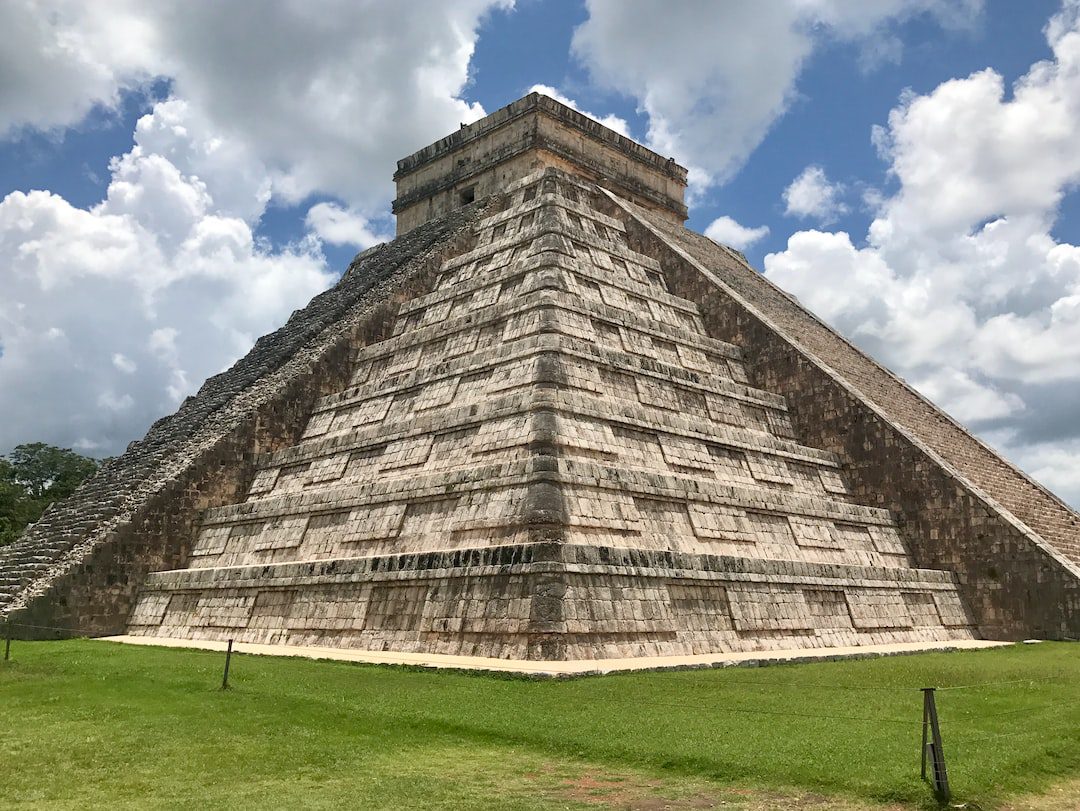
The Epigraphic Mayan Language is intricately woven into the art and architecture of the Mayan civilization. Many Mayan structures, such as temples and palaces, are adorned with hieroglyphic inscriptions that provide information about the purpose of the building, the ruler who commissioned it, and the religious significance of the site.

One notable example of Mayan architecture featuring epigraphic Mayan language is the Temple of the Inscriptions in Palenque, Mexico. This temple is adorned with hieroglyphic inscriptions that tell the story of the city’s founding and the life of its ruler, Pakal the Great.

Mayan artwork also often features epigraphic Mayan language. Sculptures, pottery, and murals are often decorated with glyphs that convey meaning and symbolism. These artworks provide valuable insights into Mayan religious beliefs, mythology, and daily life.

The Challenges of Deciphering Epigraphic Mayan Language

Deciphering the Epigraphic Mayan Language has been a challenging task due to several factors. One of the main challenges is the lack of a bilingual text or a Rosetta Stone-like artifact that would provide a direct translation between Mayan hieroglyphs and another known language.

Another challenge is the sheer complexity of the language. The Epigraphic Mayan Language has a large number of glyphs, each with multiple possible meanings. This makes it difficult to determine the correct interpretation of a given glyph in a particular context.

Furthermore, the Mayan script underwent changes over time, with different regions and time periods using slightly different variations of the script. This adds an additional layer of complexity to the decipherment process.

The Contributions of Epigraphic Mayan Language to Modern Linguistics

The Epigraphic Mayan Language has made significant contributions to the field of linguistics. Its unique grammar and syntax have challenged traditional linguistic theories and provided new insights into language structure and evolution.

One of the most significant contributions of the Epigraphic Mayan Language to linguistics is its use of verb morphology. The highly inflected nature of Mayan verbs has led to new theories about how languages can convey complex information through verb forms.

The Epigraphic Mayan Language has also provided valuable data for comparative linguistics, allowing researchers to make connections between Mayan and other Mesoamerican languages. This has led to a better understanding of the linguistic diversity in the region and the historical relationships between different language families.

The Future of Epigraphic Mayan Language Research and Discoveries

Classic Maya language - Wikipedia

Despite significant progress in deciphering the Epigraphic Mayan Language, there is still much work to be done. Many aspects of the language remain undeciphered or poorly understood, and new discoveries are being made all the time.

Current research in epigraphic Mayan language focuses on refining existing translations, deciphering previously unknown texts, and exploring new methods for analyzing and interpreting Mayan hieroglyphs. Advances in technology, such as high-resolution imaging and computer-assisted analysis, are also aiding in the decipherment process.

Continued research in epigraphic Mayan language is crucial for preserving this ancient language and unlocking the secrets of the Mayan civilization. By understanding the language, we can gain a deeper appreciation for Mayan culture, history, and achievements.

In conclusion, the Epigraphic Mayan Language is a fascinating and significant language that provides invaluable insights into the Mayan civilization. Through the decipherment of Mayan hieroglyphs, researchers have been able to uncover a wealth of information about Mayan culture, religion, and history. While much progress has been made in deciphering the language, there is still much work to be done. Continued research and preservation of the Epigraphic Mayan Language are essential for understanding and appreciating this ancient civilization.

If you’re interested in learning more about the Epigraphic Mayan Language, you might also find this article on “Unlocking the Mysteries of Venetic Language: A Fascinating Journey into an Ancient Tongue” intriguing. It delves into the exploration of an ancient language and the challenges faced in deciphering its meaning. Discover how linguists and researchers unravel the secrets of Venetic and gain insights into the fascinating world of ancient languages. Read more

FAQs


What is Epigraphic Mayan Language?

Epigraphic Mayan Language refers to the writing system used by the ancient Maya civilization to record their language and history. It is a complex system of hieroglyphs that was used from around 300 BCE to the Spanish conquest in the 16th century.

How was  deciphered?

The decipherment of Epigraphic Mayan Language was a long and complex process that involved the work of many scholars over several decades. The breakthrough came in the 1950s and 60s when a number of key inscriptions were deciphered, allowing scholars to begin to understand the grammar and syntax of the language.

What kind of information can be found in  inscriptions?

Epigraphic Mayan inscriptions contain a wealth of information about the history, culture, and religion of the ancient Maya civilization. They record the names and deeds of rulers, the dates of important events, and the rituals and ceremonies that were central to Maya life.

Where are  inscriptions found?

Epigraphic Mayan inscriptions are found throughout the Maya region, which includes parts of Mexico, Guatemala, Belize, Honduras, and El Salvador. They are found on a variety of surfaces, including stone monuments, stelae, and pottery.

What is the significance ?

Epigraphic Mayan Language is significant because it provides a window into the history and culture of one of the most important civilizations of the ancient world. It has allowed scholars to gain a deeper understanding of Maya society, religion, and politics, and has helped to dispel many of the myths and misconceptions that have surrounded the Maya for centuries.

Unlocking Global Success: The Crucial Role of Localization in Business Expansion

Global

  This process goes beyond more translation; it involves adapting products, services, and content to suit the unique cultural and linguistic nuances of different regions. In this blog post, we’ll explore the multifaceted significance of localization in global business, shedding light on why it’s a strategic imperative for companies aiming to reach and resonate with … Read more

Climate Change Datasets: Best Modeling Environmental Impact with Machine Learning

Climate

Introduction: Climate change, driven by human activities and natural processes, poses one of the most significant challenges to the global environment. Understanding and mitigating its impact requires comprehensive data analysis and modeling. In recent years, the integration of climate change datasets with machine learning has emerged as a powerful approach to unravel complex environmental patterns, … Read more